

I thought that if I bought a particular brand of sneakers, I would run faster when I was a kid. Not because the shoe business promised performance, but because their advertising made me feel like I was part of something bigger, like a community, a concept, or a goal.
Now, things are different in marketing, Or people have changed. They're not only interested in the best value or the coolest logo. They want companies that stand for something. And what about brands? They're paying attention. This is the time for purpose-driven marketing campaigns that have a clear goal.
Purpose-driven marketing is more than just making noise in a congested market. It's about standing up for something tangible that your consumers and your team care about. People who shop today want to see brands put their money where their mouth is. They want businesses with a purpose—companies that don't just preach about change but actually make it happen.
This change is huge. Purpose-driven marketing strategies are changing the way businesses reach out to individuals and establish long-term loyalty. In this essay, I'll explain what purpose-driven marketing campaigns are, why they are essential, and how the best ones are changing the game. I'll tell you stories, show you real statistics, and teach you lessons from brands that do things right (and a few that don't). Read on if you want your brand to mean anything.
1. what is purpose-driven marketing campaigns
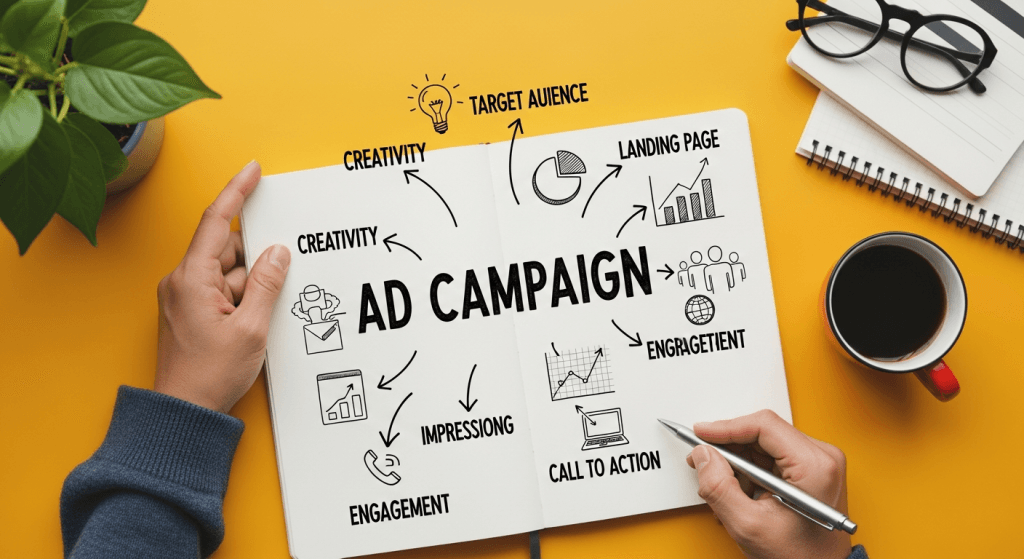
Let's be clear about what "purpose-driven marketing campaigns" truly mean. Is this merely the newest buzzword? Not even close. Putting your brand's main objective and values at the center of every campaign is what purpose-driven marketing is all about. It's about showing what you believe in, not telling people. These initiatives address real problems, support worthy causes, and deliver on their promises.
This is what makes purpose-driven marketing efforts different from the previous way of doing things:
Focus: Old marketing focuses on features and advantages. Purpose-led marketing is based on deeper values like a belief, a cause, or a promise.
Tone: Ads that are traditional talk "at" the viewers. Brands that have a purpose start a discussion with their customers.
Goal: It's not simply about making more sales. It's about having a lasting impact and fostering a genuine community.
Why having a purpose is more important than ever
The pandemic flipped the globe upside down. People began to ask more difficult questions, such as "What does this brand really care about?" Will they fight for anything, or make money? Purpose-led marketing took off because buyers wanted more. They saw through false rhetoric and began to spend their money on brands that shared their ideals.
This is the proof:
Zeno Group's Global Consumer Study says that people are four times more likely to buy from brands with a purpose and six times more likely to protect them when they are criticized in public.
Since 2020, searches on Google for "purpose-driven marketing campaigns" and "purpose-driven brands" have more than doubled. 64 % of people believe that having the same values as a brand is the key reason they choose to buy from it. It's not just a way to sell things; it's a change in the business.
2. The Strategic Advantages of Campaigns with a Purpose
What makes so many firms put money into marketing efforts that have a purpose? Because the benefits are real and can be measured.
Building emotional ties
People remember when a campaign talks about something that matters to them. Purpose-driven marketing gets people's attention and touches their hearts. Look at companies like Patagonia. Their "Don't Buy This Jacket" campaign was more than just smart. It was a challenge, a call to think twice about mindless consumption, which is exactly what they wanted. That advertising turned customers into fans.
Building brand loyalty over time
Marketing efforts that have a purpose aren't just one-time things. They set the stage for loyalty that lasts. People tend to stay loyal to brands that share their values and ideals. Dove's "Real Beauty" campaign, for example, didn't merely help sales in the near term. It started a movement that has kept people buying and believing for decades.
Getting and keeping good workers
Brands with a purpose don't just get customers; they also get employees. According to research by Glassdoor, 79% of millennials want to work for firms that care. Branding that is based on purpose helps attract the right individuals and keeps them motivated. Your team will go above and beyond when they believe in the mission.
3. Important Parts of Purpose-Driven Campaigns That Work
Not every marketing campaign with a purpose is effective. Some fail or get called out for "purpose-washing," which is seeming to care for a brief PR win. Three elements make the finest purpose-driven marketing stand out:
Realness Over Looks
People can tell when someone is lying about their purpose faster than you can say "hashtag." The ad for Pepsi featuring Kendall Jenner? Tried to talk about societal issues but came off as tone-deaf and vacuous. Purpose-driven marketing strategies only function when people actually take action as the message suggests.
In line with the brand's core values
Purpose-led marketing can't be an afterthought. It has to blend in perfectly with what your brand stands for. Because their social justice efforts are authentic to who they are, Ben & Jerry's has earned decades of trust, with no unexpected changes or new causes introduced in every campaign.
Real effects and results that can be measured
Marketing efforts that are based on a purpose need to do more than tell feel-good stories. People want to see proof. Nike's "Move to Zero" campaign didn't just talk about being environmentally friendly; it set goals, tracked its success, and shared it with the public.
4. How to Create a Marketing Plan That Is Based on Your Goals
You know that purpose-driven marketing initiatives work, but how can you make them happen? Based on real-life experience, here's a step-by-step tutorial.
Find and say what your brand's purpose is
Be honest first. Get together your leadership team, staff, and some loyal customers. Conduct polls, workshops, and ask tough questions to discover what we truly care about. What change can we help make happen? The point isn't to come up with the best slogan; it's to write something that sounds genuine and makes people want to take action.
Include Purpose at All Points of Contact
Purpose-driven marketing isn't just a one-time thing. It should affect the scripts you use for customer support, the emails you send to coworkers, and the comments you send on social media. When everyone in the firm lives the purpose, it shows up in everything.
Get Employees to Be Purpose Ambassadors
Make your employees your best supporters. Teach them what your brand stands for. Share stories of employees who live the mission, such as volunteering, helping a client, or coming up with a new campaign that fits your objective.
Measure and Share Results
Don't just hope for "awareness." Set genuine goals. It could involve helping a neighborhood, reducing trash, or awarding scholarships. Use your own KPIs or tools, such as B Lab's Impact Assessment. Even if development is sluggish, make the numbers public. People value honesty.
5. Great Examples of purpose-driven Marketing Campaigns
Real stories are the best way to bring purpose-driven marketing to life. Here are two of the best purpose-driven campaigns, along with what makes them stand out.
Case Study 1: Dove's "Real Beauty"
Dove started the "Campaign for Real Beauty" in 2004. They didn't simply discuss body positivity; they made it the central point. TV, print, billboards, and social media. Genuine ladies, genuine bodies, and real tales.
Goal: Break down prejudices about beauty and raise self-esteem. Results: Dove's sales went from $2.5 billion to more than $4 billion in three years. The campaign sparked conversations worldwide and transformed the way beauty is marketed.
Case Study 2: TOMS' "One for One"
TOMS developed its entire brand intentionally. They offered a pair of shoes to a youngster in need for every pair of shoes sold. It wasn't simply a phrase; it was how the business worked.
Goal: To help kids get better health and education by giving them shoes. Results: More than 100 million pairs of shoes were given away. Hundreds of other companies copied the "One for One" strategy, which made TOMS a leader in marketing efforts that have a purpose.
What Works About These Campaigns
Both campaigns are real and fit with the brand's DNA. They made their goals clear and measurable and shared the findings with everyone. They didn't simply talk about it; they did it.
6. Getting Past Common Mistakes
Even the best marketing strategies that are based on a cause can fail. Here's how to stay away from the most typical mistakes:
How to Avoid "Purpose Washing"
Don't get involved with a cause just because it's popular. Only run marketing efforts that are connected to your objective and have a purpose. Starbucks encouraged baristas to write "Race Together" on cups to prompt conversations about race when they launched their "Race Together" campaign. The criticism came quickly; the marketing seemed contrived and out of touch.
Finding a balance between purpose and profit
Purpose-led marketing shouldn't put you in the poorhouse, but it shouldn't just be a side job either. Patagonia allocates money, time, and resources to environmental issues while generating revenue. Find the right balance: use revenues to make a difference, and let your goals guide your company choices.
How to Deal with Criticism or Not Meeting Expectations
Nobody is perfect. If your purpose-driven marketing strategies don't work, admit it. Say you're sorry, explain why, and illustrate how you'll do better. Being honest with each other goes a long way.
7. Things marketers can do to take action
Are you ready to launch marketing initiatives that have a purpose? Here's how:
Do a Purpose Audit
Ask challenging questions: Does every point of contact effectively convey what we stand for? Where are we not doing well? Gain a comprehensive understanding by utilizing surveys, interviews, and customer feedback.
Get Stakeholders and Customers Involved
Make it a two-way street. Request feedback, listen to social media comments, and conduct focus groups. Purpose-driven marketing is about more than just sending out information. It's about developing a community.
Repeat and Change
Try things out, learn from them, and change. Your initial campaign may not be effective. Get feedback from your results, adjust your message, and keep moving forward. The best purpose-driven marketing never stays the same; it changes as your audience grows.
Final Thought
People now expect more from brands because of purpose-driven marketing initiatives. They make people more loyal, teams stronger, and businesses do better. The best purpose-driven advertisements demonstrate that taking a stand isn't a risk; it's the most effective approach to make a brand endure.
This is the sign you've been waiting for to get started. Check your messages. Be honest about what you believe in. Start your own marketing efforts that have a meaning. These are the kinds of campaigns that people will remember, talk about, and share.
Tell me your story. Have you ever changed your mind about a brand because it had a purpose? Leave a comment below or obtain our free purpose audit checklist to help your team get started.
FAQ
What are some examples of marketing campaigns that had a clear purpose and resulted in greater sales?
Dove's "Real Beauty" campaign featured real people in its ads and challenged common notions of beauty. Not only did this campaign boost sales, but it also built long-term client loyalty to the brand.
What does the marketing rule 3-3-3 say?
The 3-3-3 marketing rule helps teams stay on task and focused. It means selecting three marketing platforms, crafting three key messages, and utilizing them for a period of three months. This rule keeps advertising basic and to the point, which helps marketers figure out which messages and platforms work best before they spend more money.
What does it mean for a marketing effort to work?
A successful marketing campaign gets the job done. It can help with sales, get the word out, or build loyalty. Strong campaigns have clear messages, target the right audience, and offer them something of value. The best marketing campaigns are focused on a clear goal, reach the target audience, encourage them to take action, and have a significant impact on sales and the brand's reputation.
Does Nike have a reason for being a brand?
Nike is a brand that means something. Nike's ads generally focus on empowering athletes, advocating for social justice, and promoting equality. Their "Just Do It" slogan and ads, such as the "Equality" and Colin Kaepernick series, demonstrate that they genuinely aim to market with a purpose. Nike connects their brand to causes that are important to its customers, which makes them trust and stay loyal to the company.


